Fiber for Weight Loss: How Much You Actually Need
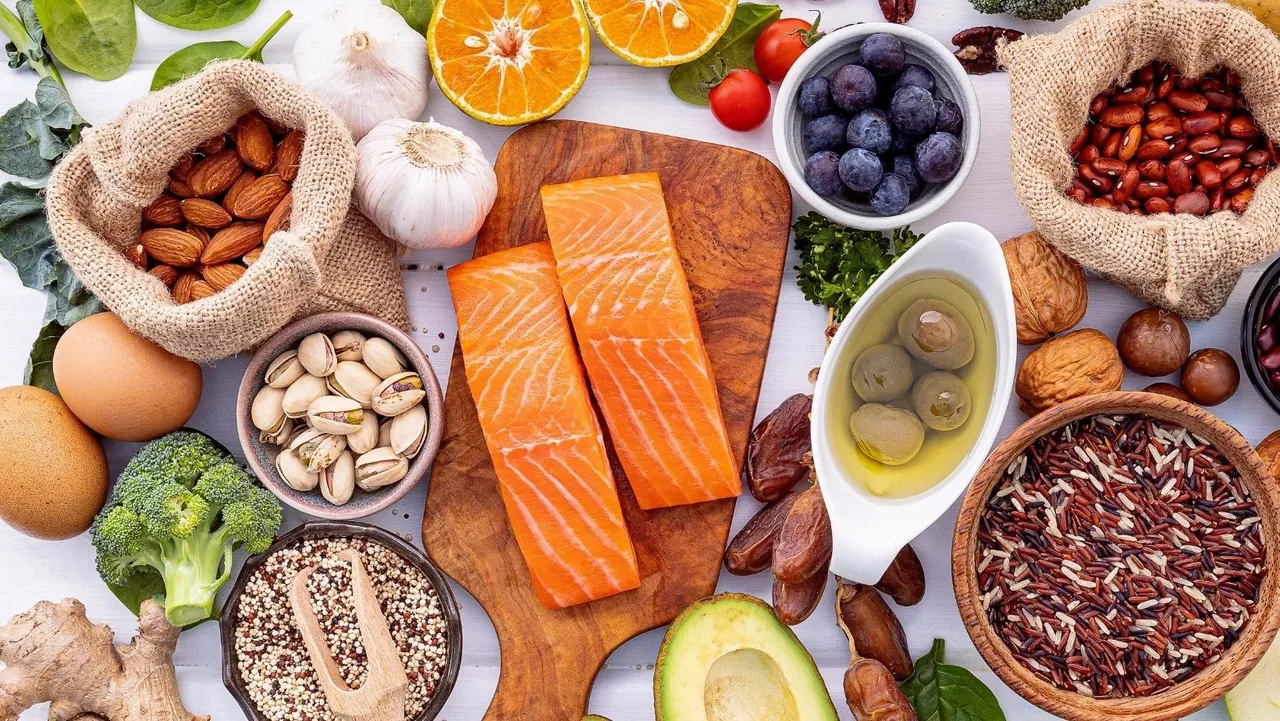
Protein gets most of the attention in weight-loss conversations. Fiber is the quieter, equally research-backed nutrient that most people fall well short of — and it plays a bigger role in appetite than its reputation suggests.
What Fiber Actually Does for Weight Management
Fiber isn't digested the way other nutrients are. Soluble fiber specifically dissolves in water to form a gel-like substance in the gut, which slows digestion and stomach emptying — both of which contribute to feeling fuller for longer after a meal. Slower digestion also means a steadier release of sugar into the bloodstream, which helps avoid the blood-sugar spikes and crashes that often trigger snacking.
What the Research Shows
A systematic review and meta-analysis of randomized controlled trials found that isolated soluble fiber supplementation was associated with measurable improvements in body weight, blood sugar, and insulin levels in adults with overweight or obesity. Separately, a five-year longitudinal study found that for every 10-gram increase in daily soluble fiber intake, participants saw a 3.7% reduction in visceral fat accumulation over that period — one of the more striking fiber-specific findings in the weight-management literature.
How Much Fiber Do You Actually Need?
Most health guidelines recommend roughly 25 grams per day for women and 30–38 grams per day for men, and most adults in the US fall well short of that. A simple estimate: about 14 grams of fiber per 1,000 calories consumed.
A realistic way to hit 10 extra grams: roughly two small apples, one cup of green peas, or half a cup of cooked pinto beans. You don't need a dramatic diet overhaul — a few consistent additions add up.
Soluble vs. Insoluble Fiber
Soluble fiber (oats, beans, apples, psyllium) is the type most closely tied to appetite and blood sugar benefits. Insoluble fiber (whole grains, vegetable skins, nuts) mainly adds bulk and supports regular digestion — both matter, but soluble fiber is the one doing most of the heavy lifting for satiety specifically.
Why Fiber Alone Isn't a Silver Bullet
Fiber doesn't cause weight loss by itself — it supports the systems (appetite regulation, blood sugar stability) that make it easier to maintain a moderate calorie intake without feeling deprived. It's a supporting factor, not a standalone solution, which is a fair way to think about most individual nutrients in this category.
Where LipoFlow Fits
LipoFlow isn't a fiber supplement, but several of its ingredients — Chromium and Gymnema Leaf Extract specifically — target the same blood-sugar-stability mechanism that makes fiber effective for appetite control. Pairing adequate dietary fiber with a formula addressing blood sugar from another angle is a reasonable, complementary combination rather than a redundant one.
Support Blood Sugar Stability From Another Angle
LipoFlow's formula targets the same blood-sugar mechanism that makes fiber effective for appetite control.
Shop LipoFlow →These statements have not been evaluated by the Food and Drug Administration. LipoFlow is not intended to diagnose, treat, cure, or prevent any disease. Individual results may vary. Always consult a qualified healthcare professional before beginning any diet or exercise program.
Back to Blog