How to Manage Food Cravings Naturally
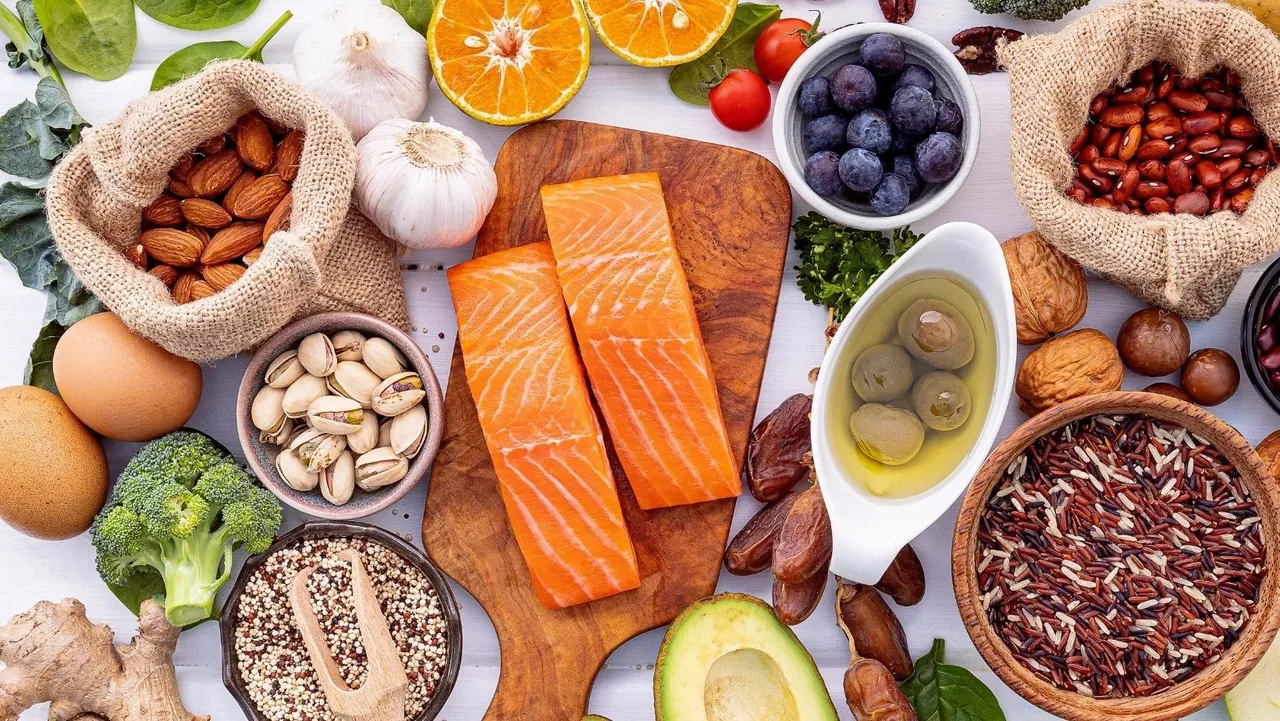
Cravings aren't a willpower test you're failing — they're usually a signal that something specific is happening physiologically. Understanding what's actually driving a craving makes it much easier to address than trying to white-knuckle through it.
What's Actually Behind Most Cravings
Blood sugar volatility is one of the most common and well-understood drivers. A meal high in refined carbs causes a rapid blood sugar spike followed by a crash — and that crash is exactly when a strong craving for something quick and sugary tends to show up. Poor sleep, dehydration, and stress are also well-documented craving triggers, each through a slightly different mechanism.
Natural Strategies That Actually Have Evidence Behind Them
Stabilize Blood Sugar First
Pairing carbohydrates with protein or fiber slows the blood sugar spike-and-crash cycle that drives many cravings. This is also the mechanism behind why ingredients like Chromium and Gymnema Leaf Extract are commonly included in formulas targeting cravings — they're addressing the blood sugar volatility at the source rather than trying to override the craving after it hits.
Don't Skip Meals
Going too long without eating increases ghrelin (the hunger hormone) and makes the next meal — or snack decision — much harder to navigate with a clear head.
Prioritize Sleep
Sleep deprivation measurably increases ghrelin and decreases leptin (the satiety hormone), which is part of why cravings tend to feel stronger and harder to resist after a poor night's sleep.
Address Stress Directly
Chronic stress elevates cortisol, which is linked to increased cravings for high-sugar, high-fat foods specifically — the body's response to stress genuinely does drive you toward certain foods, not just toward "eating more" generally.
Stay Hydrated
Thirst is commonly misread as hunger. A glass of water before reaching for a snack is a low-effort check worth doing.
A distinction worth making: a craving that passes within 15–20 minutes is usually physiological. One that persists regardless of what you eat is more often emotional or habitual — and benefits from a different strategy (a walk, a phone call, a change of environment) than a food-based fix.
Where LipoFlow Helps
LipoFlow's formula includes Chromium Picolinate and Gymnema Leaf Extract specifically for blood sugar stability — the mechanism most directly tied to sugar and snack cravings. It's not a willpower substitute, but it's targeting one of the physiological drivers directly, which is a more sustainable approach than relying on discipline alone against a genuine blood-sugar crash.
Target Cravings at the Source
Chromium and Gymnema Leaf Extract in LipoFlow support the blood sugar stability behind most cravings.
Shop LipoFlow →These statements have not been evaluated by the Food and Drug Administration. LipoFlow is not intended to diagnose, treat, cure, or prevent any disease. Individual results may vary. Always consult a qualified healthcare professional before beginning any diet or exercise program.
Back to Blog