Do Quick Workouts Actually Help With Weight Loss?
If a 20-minute workout is genuinely all you have time for, it's worth knowing whether it's actually worth doing — or whether you're better off saving that time for something else. The research has a more encouraging answer than you might expect.
Short Workouts Are Not "Wasted" Workouts
High-intensity interval training (HIIT) studies have repeatedly found that short sessions — often 15–20 minutes — can produce comparable improvements in cardiovascular fitness and metabolic markers to much longer moderate-intensity sessions, particularly when intensity is genuinely high during the work intervals. The idea that a workout needs to be an hour to "count" isn't well-supported by the exercise physiology research.
What Actually Matters More Than Duration
- Consistency over time beats occasional long sessions — three 20-minute sessions a week reliably outperforms one exhausting 90-minute session followed by two weeks off.
- Resistance training specifically helps preserve muscle mass, which supports a healthier resting metabolic rate — even short strength sessions contribute meaningfully here.
- Non-exercise movement (walking, taking stairs, standing more) adds up across a day and is an underrated contributor to total daily energy expenditure.
The "All or Nothing" Trap
One of the most common reasons exercise routines fail isn't that short workouts don't work — it's that people skip a shorter, realistic workout because it "doesn't feel like enough," and end up doing nothing instead. A 15-minute session you actually do beats a 60-minute session you keep postponing.
A Realistic Weekly Structure
- 2–3 short strength sessions (15–25 minutes), targeting major muscle groups
- 1–2 short HIIT or brisk cardio sessions (15–20 minutes)
- Daily movement outside of workouts — walking, stairs, general activity
This adds up to well under two hours a week of structured exercise — genuinely achievable for most busy schedules, and consistent with what the research supports as effective.
The honest caveat: quick workouts are effective, but they're not magic — total weekly volume still matters, and someone doing 15 minutes once a week will see less than someone doing 15 minutes four times a week. "Short" doesn't mean "unlimited," it means "efficient."
Where LipoFlow Fits
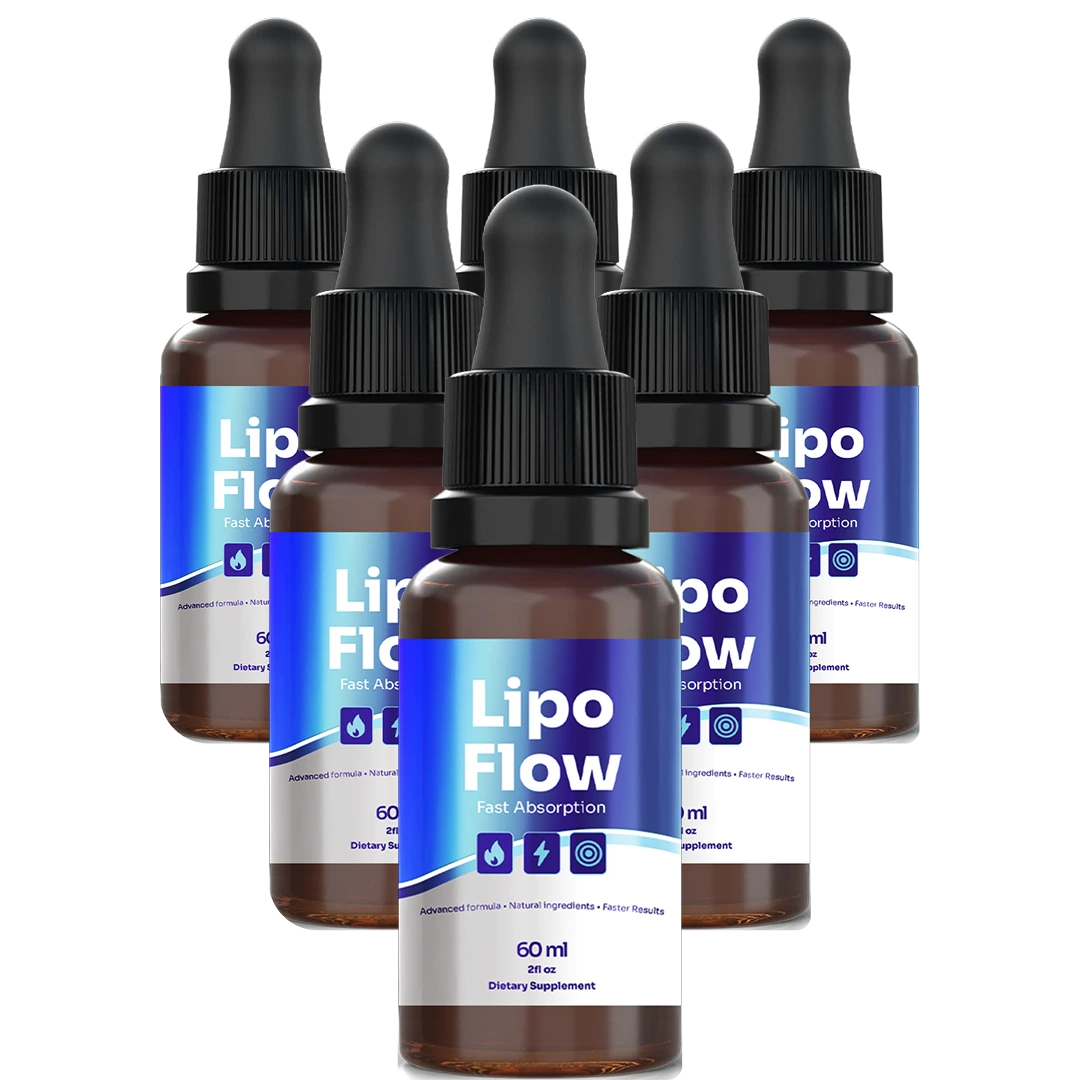
LipoFlow is formulated to support energy and metabolism as part of a broader routine — including a realistic exercise schedule like the one above. It's not a substitute for movement, but it's designed to complement a routine that has to fit into an actual, busy week rather than an idealized one.
Support Energy for Whatever Time You Have
LipoFlow is built to fit alongside a realistic, busy-schedule routine — including short workouts.
Shop LipoFlow →These statements have not been evaluated by the Food and Drug Administration. LipoFlow is not intended to diagnose, treat, cure, or prevent any disease. Individual results may vary. Always consult a qualified healthcare professional before beginning any diet or exercise program.
Back to Blog