Why Am I Gaining Weight Even When I Eat Less?
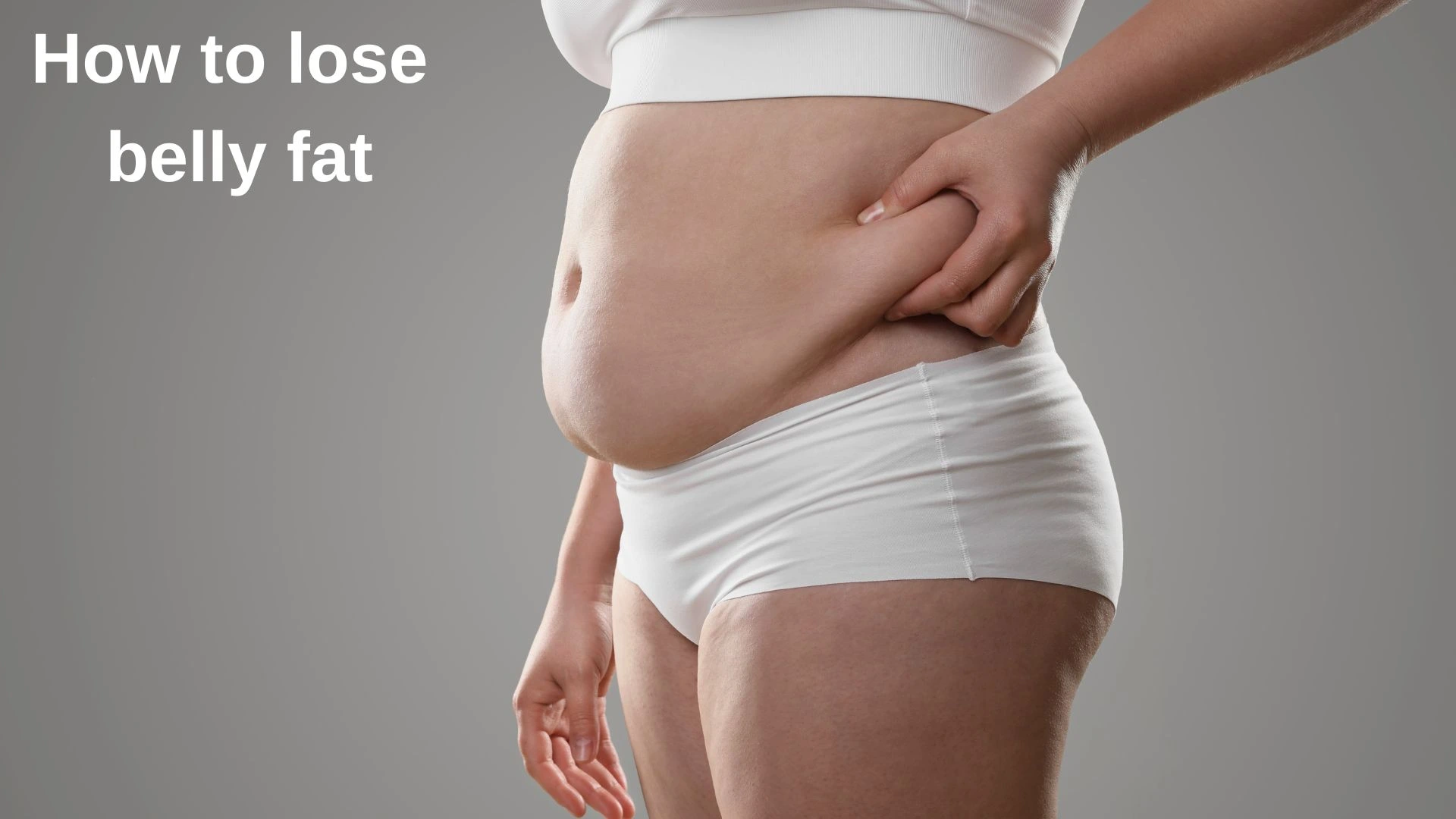
This is one of the most common — and most frustrating — questions in weight management. It's also more common than most people realize, and there are real, researched explanations that have nothing to do with willpower.
Metabolic Adaptation Is Real
When you eat less, your body doesn't just passively accept a smaller calorie intake — it adjusts. This is called metabolic adaptation: as you lose weight, resting metabolic rate can decline by more than expected based on body size alone, and hunger-regulating hormones shift to encourage eating more. Research on this phenomenon has documented resting metabolic rate suppression persisting for years after weight loss in some cases, which is part of why the "just eat less" approach tends to get harder over time rather than easier.
Muscle Loss Compounds the Problem
Some of the weight lost during aggressive calorie restriction comes from muscle, not just fat — especially without resistance training or adequate protein. Muscle is metabolically active tissue, so losing it lowers your resting metabolic rate further, making the next round of weight loss harder even at the same calorie intake.
The Measurement Problem — An Honest Nuance
It's also worth being upfront about this: research has repeatedly found that people tend to underestimate what they actually eat and overestimate physical activity, sometimes significantly. This isn't a character flaw — it's a well-documented pattern across nutrition research generally. If the scale isn't moving, it's worth honestly re-checking portion sizes and hidden calories (dressings, oils, drinks) before assuming metabolism is the sole cause.
Other Contributing Factors
- Poor sleep disrupts hunger hormones (ghrelin and leptin) and is linked to increased fat storage independent of calorie intake.
- Chronic stress elevates cortisol, which is associated with increased abdominal fat storage specifically.
- Hormonal shifts — perimenopause, menopause, and thyroid changes can all affect metabolic rate and fat distribution.
- Medications — some common prescriptions list weight gain as a documented side effect, worth discussing with your doctor if the timing lines up.
The reassuring part: metabolic adaptation is not permanent. Research shows it significantly diminishes or resolves after a period of weight stabilization — a planned break from calorie restriction can actually help, rather than undermining progress.
What Actually Helps
Rather than cutting calories further (which tends to worsen the adaptation), consider: a planned diet break at maintenance calories for 1–2 weeks, prioritizing protein and resistance training to preserve muscle, addressing sleep and stress directly, and re-evaluating actual intake honestly rather than assuming metabolism is the sole culprit.
Where LipoFlow Fits
LipoFlow's formula targets several of the contributing factors above together — metabolic support, blood sugar stability, and stress response — rather than just one. It's not a fix for metabolic adaptation on its own, but it's a reasonable complement to the broader strategy above.
Support Multiple Factors at Once
LipoFlow targets metabolism, blood sugar, and stress response together, not just one piece of the puzzle.
Shop LipoFlow →These statements have not been evaluated by the Food and Drug Administration. LipoFlow is not intended to diagnose, treat, cure, or prevent any disease. Individual results may vary. Always consult a qualified healthcare professional before beginning any diet or exercise program.
Back to Blog