Why Belly Fat Is So Hard to Lose
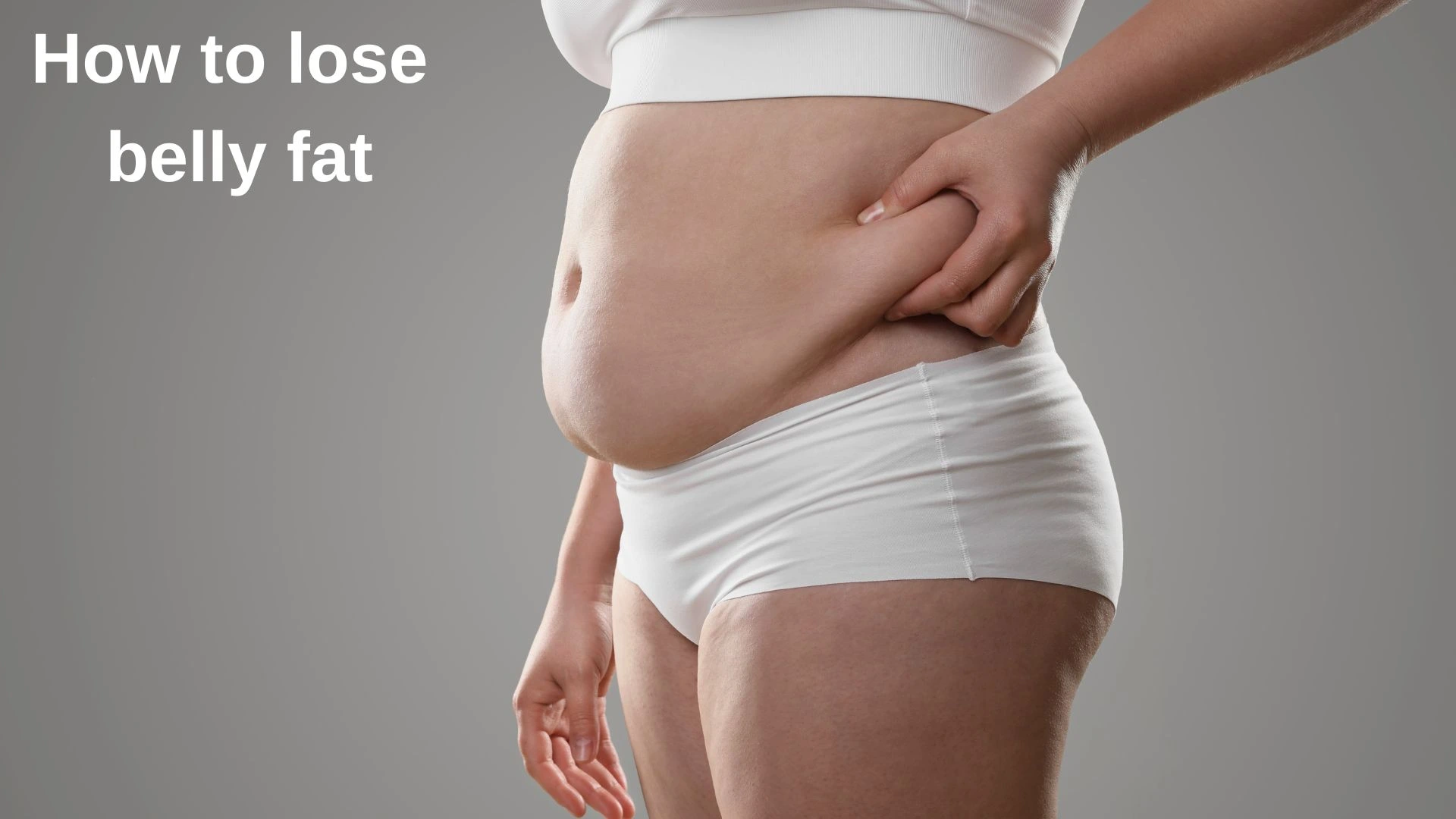
Belly fat has a reputation for being the last to leave and the first to show up — and there's real biology behind that frustration. Here's an honest look at why the midsection is so stubborn, and what actually helps.
Not All Fat Is Equal
The fat you can pinch under your skin (subcutaneous fat) behaves differently from the fat that surrounds your internal organs (visceral fat). Visceral fat is metabolically active — it's linked to insulin resistance and cardiovascular risk, which is part of why doctors pay close attention to waist circumference, not just body weight.
Why the Midsection Resists Change
Hormones Play a Bigger Role Than Most People Realize
Chronically elevated cortisol (the stress hormone) is associated with increased abdominal fat storage. Insulin resistance can make the body more likely to store fat centrally. Hormonal shifts during menopause and age-related declines in testosterone in men are both associated with a tendency to gain fat around the midsection specifically, even without a change in overall calorie intake.
Genetics Influence Where You Store Fat
Fat distribution patterns are significantly influenced by genetics. Some people are simply more prone to storing fat centrally than others, regardless of effort.
Muscle Loss Slows Things Down
Muscle mass naturally declines with age unless you actively work to maintain it through resistance training. Less muscle means a lower resting metabolic rate, which makes any kind of fat loss — including around the belly — slower than it used to be.
Sleep Is More Connected to This Than You'd Expect
Poor sleep is linked to elevated cortisol and disrupted hunger hormones (ghrelin and leptin), both of which are associated with increased abdominal fat storage over time.
The Spot-Reduction Myth
You cannot choose where your body loses fat from by targeting exercises at that area — doing hundreds of crunches will strengthen your abdominal muscles, but it won't preferentially burn the fat covering them. Fat loss happens across the body as a whole, driven mainly by a sustained calorie deficit, and where it comes off first or last is largely determined by genetics and hormones, not which exercises you do.
An encouraging nuance: Visceral fat (the deeper, more metabolically active kind) often responds relatively well to consistent weight loss and exercise — sometimes even before visible changes in subcutaneous fat appear. Systemic, sustained habits tend to matter more here than any single "belly fat trick."
What Actually Helps
- A consistent, moderate calorie deficit — extreme restriction tends to backfire and is hard to sustain.
- Resistance training to preserve or build muscle, which supports a healthier metabolic rate over time.
- Adequate protein to support muscle maintenance and satiety.
- Prioritizing sleep — 7 or more hours, consistently, supports hormonal balance.
- Managing chronic stress where possible, since cortisol plays a real role here.
- Patience and consistency — this is a slower process for the midsection than for other areas, for most people.
Common Myths Worth Retiring
Waist trainers, "detox" teas, and ab-focused workout programs marketed specifically for belly fat don't have credible evidence behind them as standalone solutions. They're not harmful in most cases, but they shouldn't replace the fundamentals above.
Where LipoFlow Fits In
LipoFlow is formulated to support healthy metabolism and energy as part of a broader routine that includes the habits above — it's a complement to consistent training, nutrition, and sleep, not a replacement for them.
Support Your Metabolism, the Realistic Way
LipoFlow pairs with a consistent routine to support metabolic health and energy.
Shop LipoFlow →These statements have not been evaluated by the Food and Drug Administration. LipoFlow is not intended to diagnose, treat, cure, or prevent any disease. Individual results may vary. Always consult a qualified healthcare professional before beginning any diet or exercise program.
Back to Blog